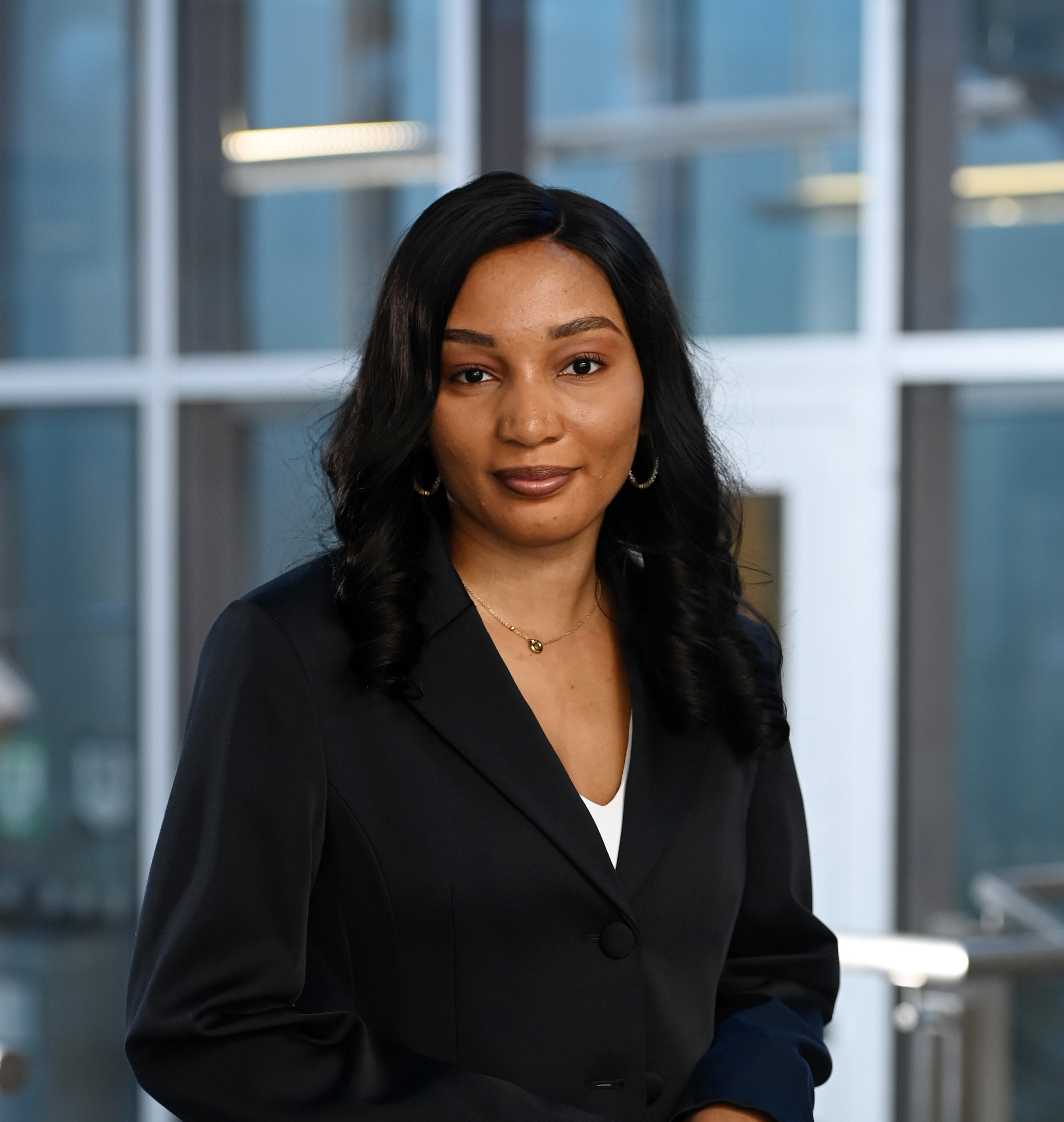
I research how software teams can embed equity, inclusion, and human wellbeing into the products they build, and develop the tools and frameworks to make that possible.
I design rigorous empirical studies that generate evidence about how software developers and AI systems make decisions, and how those decisions can be improved
I develop methods that help software and AI systems better respect human values such as fairness, wellbeing, inclusion, privacy, and safety through measurable, evidence based interventions
I study how people and AI systems work together in high stakes settings, developing methods for AI evaluation, alignment research, and trustworthy human AI collaboration.
I teach and mentor students - from undergraduates learning software engineering to youth discovering coding for the first time - committed to making computer science accessible and inclusive.
I study how software engineers make decisions that affect people, and I design ways to make those decisions better.
My research program sits at the intersection of social sustainability, responsible AI, and empirical software engineering. I build and evaluate interventions that change how developers reason about fairness, safety, and inclusion in the systems they build. I bring the same rigor to a harder, faster moving problem: AI safety. There I develop methodological standards for uplift evaluation, build evaluation pipelines, run adversarial safety testing, and design human centred AI assisted systems.
Before academia, I spent nearly a decade as a software engineer and technical project manager building enterprise systems — giving me a practitioner's eye for what research actually needs to solve.
Peer-reviewed work published at top software engineering venues, with more under review.
Co-led a multi-year empirical research program on social sustainability in software engineering — from scoping reviews to full randomized controlled trials. Coordinated an industry-academic partnership that produced evidence that user personas improve socially sustainable software design.
Researching methodological standards for evaluating risks in advanced AI systems. Analyzing design flaws in AI RCT studies. Developing recommendations to improve the rigor, transparency, and social impact of AI capability assessments for responsible deployment in high-stakes domains.
Contributing to a multi-institutional project advancing racial equity for Black students in postsecondary STEM. Collecting and analyzing data in Nova Scotia examining anti-Black norms and practices in STEM education, using culturally responsive methodologies alongside an interdisciplinary research team.
Designed mixed-methods research instruments examining systemic barriers to STEM careers among Black youth in Nova Scotia. Findings are informing policy interventions and will be published in three book chapters.
Taught software project courses (CSCI 2691/3691/4691) to ~120 students per semester and an intro programming course (CSCI 2202) to ~60 students. Earned average student ratings of 4.47 and 4.59 out of 5.0. Introduced weekly demo format and a standardized evaluation rubric.
Built the backend for Wellvis, a mobile health platform, delivering a working MVP in three weeks that attracted 200+ users at launch. Led Agile transformation that improved team turnaround by 30%. Worked across enterprise systems, fintech, and digital health.
Prestigious award recognizing academic excellence — given to only the top PhD students across five Canadian universities. 2023 – Present.
Provincial award for academic excellence at the doctoral level. 2022 – Present.
Selected as one of 16 university-wide doctoral scholars for Dalhousie's 2024 cohort focused on public engagement and science communication.
Selected for the 2024 National Science Communication Fellowship in Boston, MA, USA — fully funded.
Dalhousie Faculty of Computer Science — recognized for academic excellence and significant contributions promoting women in computing. 2023.
Conference support grants awarded for ICSE 2025 and ICSE 2026.
IBM + RBC, 2021.
Best graduating student in the Department of Computer Science, FUTA.
Service work across research, advocacy, and outreach — from program committees at top venues to hands-on work with young people in STEM.
Elected to represent women in computing across 60+ Canadian universities on the Student & Postdoc Advisory Committee, contributing to policy and inclusivity.
Serving on the Program Committee for the Software Engineering in Society track at ICSE 2026, the premier conference in software engineering.
Teaching Python and HTML to African Nova Scotian youth (ages 10–17), creating accessible materials to foster confidence in STEM.
Served as the Director of Science and Computer Science at the Dalhousie Organization of Graduate Students, advocating for graduate student interests.
Invited by Digital Nova Scotia to lead a hands-on Python and chatbot development workshop at the Discovery Centre, Halifax. Featured in a Digital Nova Scotia LinkedIn spotlight.
Judged and mentored student projects in the technology category at the annual Science Fair — three consecutive years.
Participated in the Tribe Network Black Youth in AI hackathon, building an AI assisted healthcare companion app for caregviers.
Whether it's a research collaboration, speaking invitation, mentorship, or just a conversation about building software that works equitably for people, I'd love to hear from you.